World Cup 2026 vs 2022: Format & Schedule Changes
The 2026 FIFA World Cup expands from 32 to 48 teams, adding 16 extra nations and increasing the total match count from 64 to 104 fixtures scheduled across three host countries. Hosted jointly by the United States, Canada, and Mexico between June 11 and July 19, 2026, the tournament introduces a new 12-group format where the top two finishers plus eight best third-placed sides advance to a 32-team knockout bracket. UEFA receives 16 qualifying slots, CAF nine, AFC eight, and CONCACAF six, with two additional intercontinental playoff places creating the largest World Cup field in the competition's 96-year history. Goal Moments provides daily match predictions, tactical breakdowns, and verified fixture updates for fans tracking every game. Start by bookmarking our tournament hub for confirmed kickoff times, venue changes, and broadcast schedules as the event approaches.
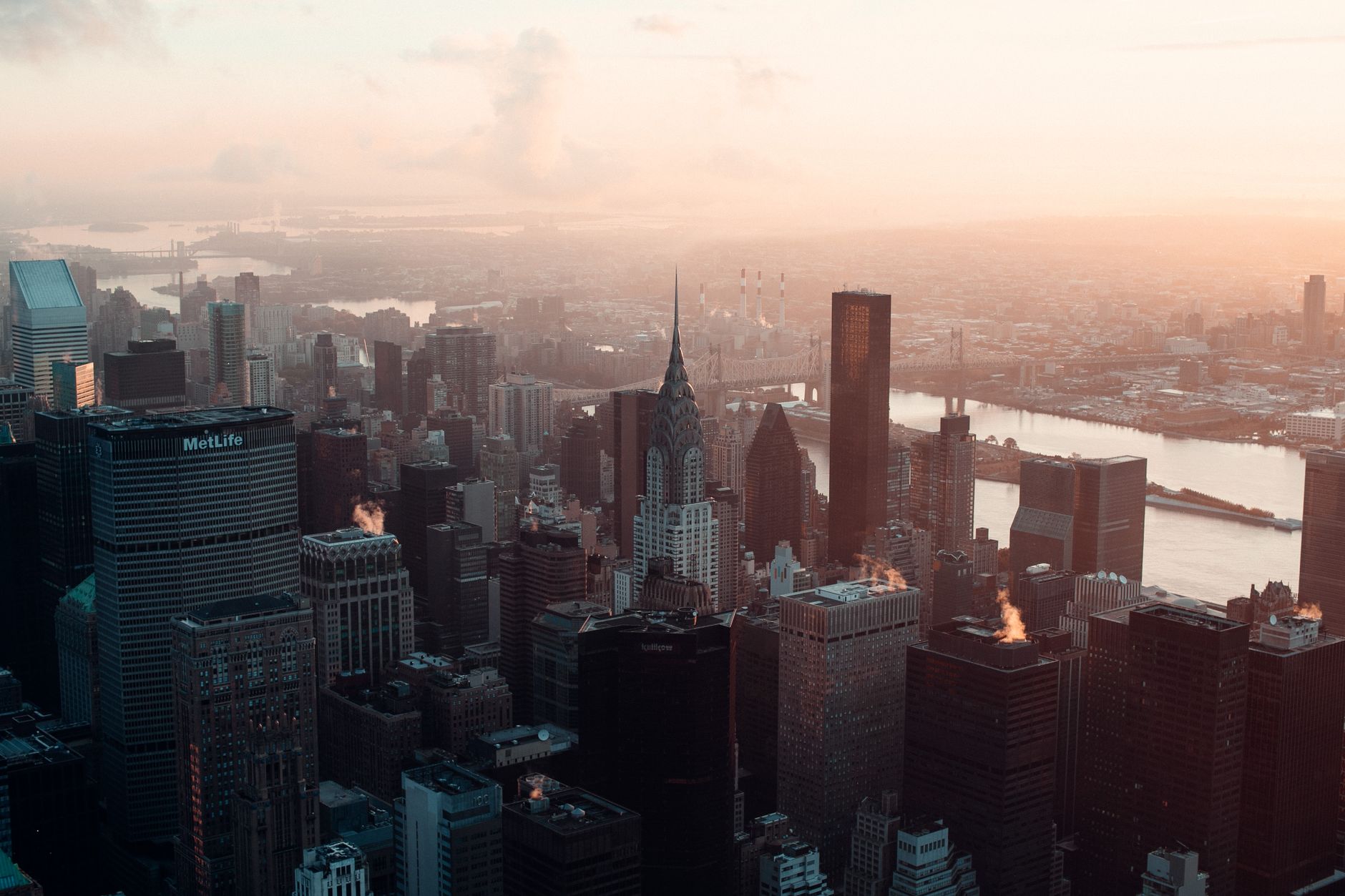
Photo by Sam Kolder on Pexels
If you followed Qatar 2022 and think you already understand the format, think again. The 2026 edition is the most significant structural overhaul since France 1998, and the ripple effects touch every corner of the tournament calendar. The expansion from 32 to 48 teams alone forces a complete rewrite of how group-stage scheduling, rest days, and knockout rounds interact. Add three host nations spread across multiple time zones, and the operational complexity jumps to a level FIFA has never managed before. Fans who relied on a single ESPN schedule page or a static PDF in past cycles will need a more dynamic approach this time.
Goal Moments has been tracking every confirmed detail since the qualifying draw, and the picture below outlines exactly what has changed and what every fan needs to know before the opening whistle blows at Estadio Azteca on June 11, 2026.
Step 1: How does the expanded 48-team format reshape the tournament structure?
The 2026 FIFA World Cup replaces the traditional eight-group, four-team setup with twelve groups of four teams each, producing 72 group-stage matches instead of the 48 played in Qatar. According to FIFA's official tournament overview, the top two finishers in every group qualify automatically for the round of 32, while eight additional third-placed teams advance based on points, goal difference, and goals scored. This means 32 of the 48 nations survive past the group stage, compared to just 16 out of 32 in 2022.
That structural change cascades into everything else. The knockout bracket now requires four extra rounds beyond the round of 16, pushing the final to July 19, 2026, three days later than the Qatar 2022 final on December 18, 2022. The total tournament duration stretches to 39 days rather than the previous 29. For tactical analysts, this means tracking a denser schedule with shorter rest intervals between knockout matches, especially for clubs sending players deep into July. Goal Moments breaks down these rest-day gaps in our [Internal Link: team-by-team tactical previews] so you can anticipate rotation patterns before managers announce their lineups.
Step 2: What does the three-nation hosting model mean for fixture distribution?
Sixteen host cities will stage matches in 2026, compared to eight in Qatar and twelve across Russia 2018. The United States hosts the bulk of fixtures, with eleven cities including MetLife Stadium in East Rutherford, SoFi Stadium in Inglewood, AT&T Stadium in Arlington, and Mercedes-Benz Stadium in Atlanta serving as primary venues. Canada contributes two cities, Toronto and Vancouver, while Mexico provides three, Mexico City, Guadalajara, and Monterrey. Estadio Azteca becomes the first stadium to host matches in three separate World Cups after featuring in 1970 and 1986.
The geographic spread creates two scheduling realities fans must understand. First, the Eastern and Pacific time zones mean kickoff windows will stretch across more of the North American day, with matches likely starting as early as 12:00 PM ET and as late as 10:00 PM ET depending on the host city. Second, travel distances between venues are far greater than any previous tournament, requiring FIFA to build rest-day buffers into the calendar. According to Wikipedia's 2026 FIFA World Cup entry, the longest expected internal travel for any team is roughly 3,400 kilometers between Monterrey and Vancouver, a logistical factor that influences match scheduling and team recovery protocols.
Step 3: How are the six qualifying pathways organized across FIFA confederations?
UEFA receives 16 direct qualifying spots, the largest allocation in World Cup history, up from 13 in 2022. The format maintains the standard ten-group structure used in European qualifying, but group winners and runners-up advance directly while the remaining four spots are decided through a UEFA Nations League-style playoff. CAF, the African confederation, gains nine slots compared to five in Qatar, while AFC expands from four to eight places. CONCACAF, including hosts USA, Canada, and Mexico, receives six direct slots. CONMEBOL keeps its traditional six spots despite having ten member nations, and OFC earns one guaranteed place plus one intercontinental playoff spot.
The two intercontinental playoff places are the most novel element. Six teams, drawn from confederations that did not use their full allocation, will compete in a separate tournament scheduled for March 2026 to determine the final two entries. Goal Moments maintains a live qualifying tracker through our [Internal Link: World Cup 2026 qualifying tracker], updated after every matchday so you always know which nations have mathematically advanced and which face playoff pressure. Want to stay ahead of every qualifying twist? Bookmark that page now.

Photo by César O'neill on Pexels
Step 4: When and where will the group stage and knockout fixtures be played?
Group stage matches run from June 11 to June 27, 2026, spread across all 16 host cities with most fixtures clustered in the three to four largest US stadiums. The round of 32 takes place between June 28 and July 3, followed by the round of 16 from July 4 to July 7. Quarterfinals fill July 11 and 12, semifinals fall on July 14 and 15, and the third-place playoff precedes the final on July 19 at MetLife Stadium in East Rutherford, New Jersey. This calendar reflects FIFA's decision to compress knockout rounds to manage player workload across a longer overall tournament window.
One detail often missed by casual fans: because 32 teams enter the knockout stage instead of 16, there is no traditional round of 16. Instead, the round of 32 acts as the first elimination round, which means every group stage draw carries higher stakes. Teams that finish third in their group can still advance, but they face a tougher path because the round of 32 matchups are pre-seeded based on group rankings. For a deeper look at how those seedings work, see our
Step 5: How can you verify official schedule sources and avoid misinformation?
The single most reliable source remains FIFA's own tournament portal, which publishes confirmed match dates, venues, and kickoff times as they are finalized. Secondary verification should come from the host city organizing committees and the individual stadium operators. ESPN, BBC Sport, and Reuters all maintain dedicated World Cup 2026 schedule pages, but only after FIFA confirms each fixture. According to FIFA's media regulations, match schedule changes announced fewer than 30 days before kickoff require formal broadcast partner notification, which gives you a reliable window to spot unofficial rumors.
A practical verification habit: cross-reference any schedule change against at least two of the three primary sources listed above before updating your calendar. Goal Moments verifies every fixture update through our [Internal Link: frequently asked questions] process and flags any discrepancies in our daily content feed. Ready to dive deeper into verified match data?
What are the most common failures when tracking World Cup 2026 schedules?
The most frequent mistake fans make is assuming the round of 32 operates like the traditional round of 16. Because 32 teams advance instead of 16, knockout matchups are not a simple top-versus-bottom seeding. They follow a pre-determined bracket path designed by FIFA to balance geographic and competitive considerations. Another common error is ignoring time zone conversions. A match listed at 9:00 PM ET in Mexico City may air live at 6:00 PM PT in Los Angeles, which affects viewing plans for fans on the West Coast.
A third failure involves treating the three host nations as a single market. US, Canadian, and Mexican broadcast rights are negotiated separately, so confirmed kickoff times in one country may differ from another due to localized broadcast windows. Finally, fans often overlook that FIFA can move matches between venues within the same host city region up to 30 days before kickoff. The lesson: always check the venue field, not just the city, when planning to attend in person. Need real-time updates as the tournament approaches?
Get started with Goal Moments today for the most reliable coverage of every confirmed fixture, tactical preview, and qualifying update on the road to the 2026 FIFA World Cup.
Frequently Asked Questions
Q: What is the format of the 2026 FIFA World Cup?
A: The 2026 FIFA World Cup features 48 teams divided into 12 groups of four, with the top two finishers plus eight best third-placed teams advancing to a 32-team knockout bracket. The tournament runs from June 11 to July 19, 2026, across 16 host cities in the United States, Canada, and Mexico, producing 104 total matches compared to 64 in Qatar 2022.
Q: How do the qualifying spots break down by confederation?
A: UEFA receives 16 spots, CAF nine, AFC eight, CONCACAF six, CONMEBOL six, and OFC one direct plus one playoff spot. Two additional intercontinental playoff places are awarded through a separate March 2026 tournament, bringing the total to 48 confirmed entries.
Q: Where will the 2026 World Cup final be held?
A: The 2026 FIFA World Cup final will be played on July 19, 2026, at MetLife Stadium in East Rutherford, New Jersey. The venue, home to the NFL's New York Giants and Jets, has a seating capacity of approximately 82,500 and was selected ahead of SoFi Stadium in Inglewood, California.
Q: How many host cities are there for World Cup 2026?
A: There are 16 host cities for the 2026 FIFA World Cup, with eleven in the United States, two in Canada, and three in Mexico. This is the largest number of host cities in tournament history, surpassing the eight used in Qatar 2022 and the twelve used in Russia 2018.
Q: What are the most common schedule-tracking mistakes for World Cup 2026?
A: The most common mistakes include confusing the round of 32 with a traditional round of 16, ignoring time zone differences across the three host nations, and treating US, Canadian, and Mexican broadcast rights as a single market. Fans should also watch for FIFA's right to relocate matches between venues within 30 days of kickoff.
Q: Is the 2026 World Cup the first to be hosted by three countries?
A: Yes, the 2026 FIFA World Cup is the first edition to be jointly hosted by three nations: the United States, Canada, and Mexico. The previous joint hosting arrangement was the 2002 tournament shared between South Korea and Japan, making 2026 the first tri-nation event in World Cup history.
Q: How can fans stay updated on confirmed World Cup 2026 fixtures?
A: Fans should monitor FIFA's official tournament portal, host city organizing committees, and major outlets like ESPN, BBC Sport, and Reuters for confirmed fixtures. Goal Moments aggregates all verified updates in our daily content feed, with our [Internal Link: betting predictions and odds] providing match-level analysis as the tournament approaches.