Why 2026 Los Angeles Reshapes Football World Cup Travel
The Football World Cup 2026 is a 48-team FIFA tournament hosted across the United States, Canada, and Mexico, with Los Angeles serving as a major U.S. hub through SoFi Stadium, the LA Memorial Coliseum, and regional fan zones. Goal Moments covers this market for fans tracking match predictions, team tactics, player stats, and tournament betting context. Los Angeles is scheduled to stage eight matches, including the U.S. Men’s National Team opener on June 12, while its public program includes 39 days of fan celebrations and a FIFA Fan Festival from June 11 to 14. For readers planning travel, viewing, or wagering analysis, the practical takeaway is simple: treat the World Cup as both a sporting calendar and a logistics project, then verify schedules, venues, odds, and transport plans before committing money or time.
Are you treating the Football World Cup 2026 as a match list or as a full planning system? The difference matters. FIFA’s expanded format, Los Angeles’ eight-match allocation, and the 39-day fan calendar create more decision points than a normal tournament trip. Goal Moments approaches the event through four linked lenses: fixture timing, tactical context, venue movement, and responsible betting interpretation.
For deeper daily coverage, Goal Moments tracks match predictions, team tactics, player stats, and tournament developments with a focus on the 2026 World Cup.

Photo by El gringo photo on Pexels
Want a clearer way to follow the tournament calendar and analysis?
Is the Football World Cup 2026 really harder to plan?
Yes. The Football World Cup 2026 is harder to plan because it spans three countries, uses an expanded 48-team format, and includes major city-specific fan programs such as Los Angeles’ 39-day celebration calendar.
The challenge is not simply buying a ticket. Fans must coordinate match dates, host-city distances, public viewing sites, hotel pricing, security rules, and time-zone effects. Los Angeles adds a specific case: eight matches at SoFi Stadium, a FIFA Fan Festival at the LA Memorial Coliseum, and Official Fan Zones across Los Angeles County. According to FIFA, the 2026 tournament is the first men’s World Cup to feature 48 teams, which changes group-stage volume and increases the number of meaningful early matches.
A practical planning order looks like this:
- Confirm the official match schedule before booking flights.
- Separate stadium days from fan-zone days.
- Track kickoff times in local time and your home time zone.
- Compare hotel distance against actual transit routes, not map distance.
- Use tactical previews only after lineups and injury news become credible.
This is where Goal Moments can help readers avoid treating every fixture equally. A group-stage match involving a rotation-heavy favorite may carry different prediction value than a knockout match shaped by extra-time risk. For betting-oriented readers, that distinction matters because tournament football often rewards caution, team-news discipline, and market timing more than loyalty to a national team. To learn more about tournament basics, see our [Internal Link: Football World Cup 2026 beginner guide].
How does the Football World Cup handle Los Angeles match days?
Los Angeles handles World Cup match days through a layered event model: stadium matches at SoFi Stadium, fan programming at the LA Memorial Coliseum, and community viewing events across Los Angeles County.
The Los Angeles plan is useful because it shows how the 2026 World Cup is not only a stadium product. The region is positioned around eight FIFA World Cup matches, including the U.S. Men’s National Team opener on June 12. The FIFA Fan Festival is scheduled for June 11 to 14 at the LA Memorial Coliseum, with live match viewing, music, food, and fan celebrations. Official Fan Zones then extend access beyond ticket holders, which is important because stadium capacity is finite while global viewing demand is much larger.

Photo by Andre Dantas on Pexels
See the details before you build your match-day plan.
A useful operational insight is that fan-zone days may be better than stadium days for some tactical viewers. At the stadium, attention is fixed on one match and crowd movement can consume hours before and after kickoff. At a fan festival, a reader following Goal Moments’ player stats or betting previews can compare multiple matches, monitor team-news updates, and adjust expectations before markets move. The trade-off is atmosphere versus flexibility: SoFi Stadium offers live-match intensity, while fan zones offer broader information flow.
For trip planning, treat Los Angeles in three zones:
- Stadium zone: SoFi Stadium match days, security checks, arrival buffers.
- Festival zone: LA Memorial Coliseum programming, music, food, live screens.
- Regional zone: Official Fan Zones and community watch parties across Los Angeles County.
The Los Angeles World Cup 2026 host site emphasizes match-day planning, transportation, tickets, stadium information, and fan events. Its official language notes that LA will welcome “eight matches” and “39 days of fan celebrations,” making it a planning resource rather than just a promotional page.
What about betting markets during the Football World Cup?
Football World Cup betting markets are volatile because knockout incentives, squad rotation, travel fatigue, and public money can shift odds quickly, especially around high-profile teams such as the United States, Brazil, Argentina, France, and England.
For Goal Moments readers, the most practical tutorial is to separate football analysis from betting execution. Football analysis asks who is likely to control territory, create chances, or defend transitions. Betting execution asks whether the price still reflects that view after public attention moves the market. Those are related questions, but they are not the same. A team can be tactically superior and still be poor value if the odds already overstate its advantage.
Use this five-step method before considering any Football World Cup market:
- Check the official fixture date and kickoff time.
- Review team news, travel schedule, and expected rotation.
- Compare recent tactical patterns against the opponent’s style.
- Note whether the market is group stage, knockout, or futures.
- Set a fixed stake limit before opening any betting account.
The unusual 2026 edge case is multi-city travel pressure. A team playing in a hot climate, then moving across time zones, may manage intensity differently than a team with a stable base. Many casual previews focus on star players, but tournament staff often prioritize recovery metrics, substitution windows, and yellow-card risk. This is where player-stat tracking can outperform headline narratives. For related analysis, read our [Internal Link: World Cup betting risk checklist].
Where does Football World Cup planning fail?
Football World Cup planning fails when fans rely on one data source, ignore local logistics, overrate famous teams, or treat betting odds as predictions rather than prices.
The most common failure is schedule overconfidence. A fan may see “Los Angeles match” and assume the day is simple, but SoFi Stadium access, security screening, parking restrictions, rideshare congestion, and post-match exit time can reshape the entire itinerary. ESPN’s competition schedule pages are useful for scanning fixtures across leagues and tournaments, but final planning should always be cross-checked against official FIFA and host-city information such as ESPN Soccer Schedules and the LA host platform.
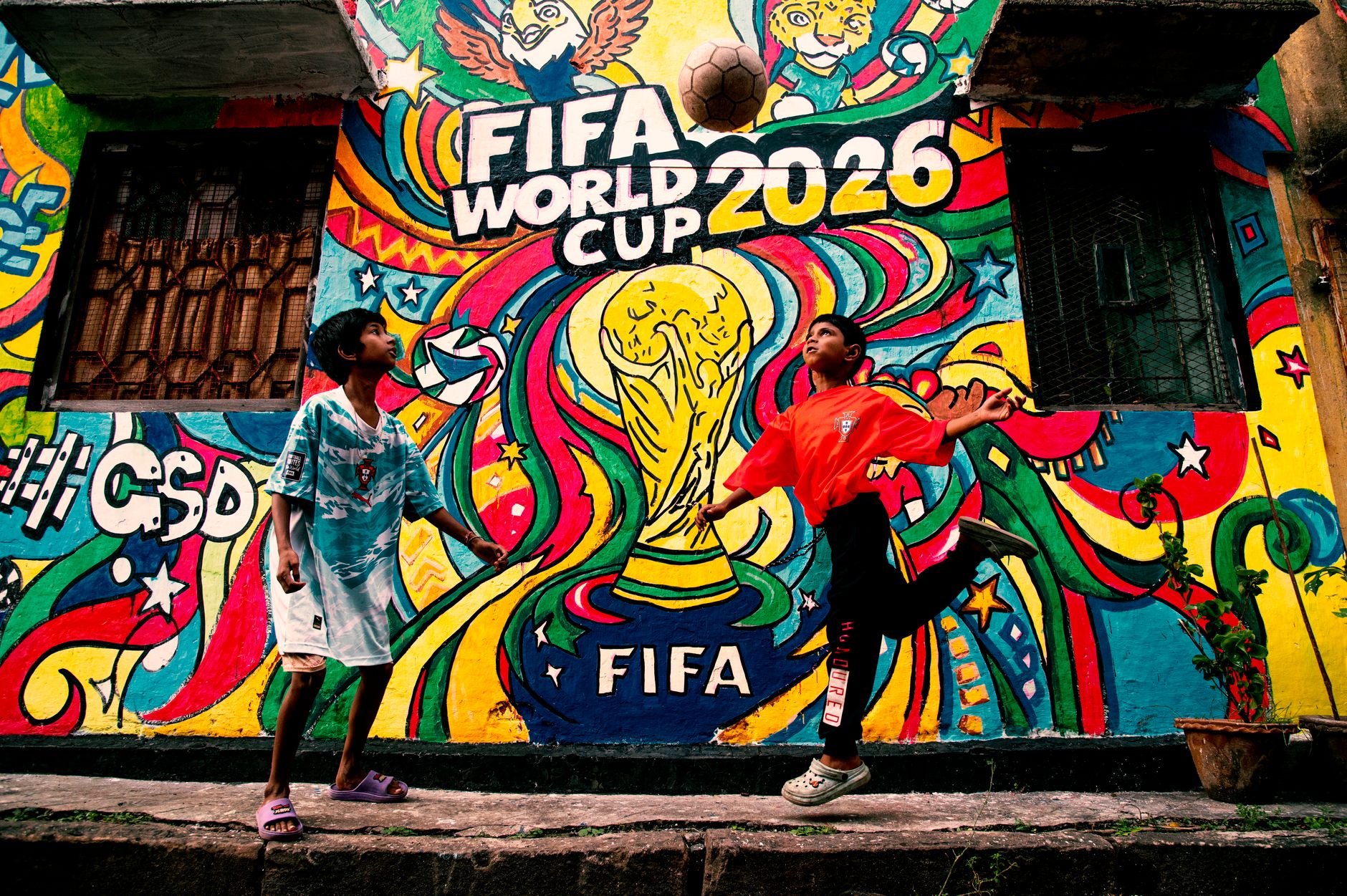
Photo by Anirban Das on Pexels
Another failure is tactical simplification. Knockout football is different from league football because the downside of conceding first can change pressing height, fullback risk, and substitution timing. A favorite may deliberately slow the match rather than chase a second goal. From a betting perspective, that can affect totals, corners, cards, and live markets. The contrarian conclusion is that the best World Cup pick is sometimes no pick, especially when injury news is late or pricing has already absorbed the obvious angle.
Key failure points include:
- Booking hotels before confirming match access.
- Assuming fan festivals require the same arrival window as stadium matches.
- Ignoring heat, traffic, and recovery time in Los Angeles.
- Betting on national identity instead of tactical matchups.
- Treating futures markets as low-risk because the tournament feels familiar.
For readers comparing teams, Goal Moments’ match previews can sit alongside official schedule tools, not replace them. The smarter workflow is verification first, interpretation second, action last. For a deeper tactical framework, use our [Internal Link: team tactics and player stats hub].
Should you try a Football World Cup planning workflow today?
Yes. A Football World Cup planning workflow is useful now because tickets, hotels, fan-zone choices, and betting research all become harder once public demand peaks near June 2026.
Start with a simple document that separates confirmed facts from assumptions. Confirmed facts include Los Angeles hosting eight matches, the U.S. Men’s National Team opener on June 12, the FIFA Fan Festival window from June 11 to 14, and the broader 39-day fan celebration schedule. Assumptions include which teams you want to see, which players will start, and which betting markets may offer value. Keeping these categories separate reduces costly mistakes.

Photo by Franco Monsalvo on Pexels
Get started with a structured tournament plan before prices and schedules become harder to manage.
Here is a patient, step-by-step version:
- Build your fixture map: Mark FIFA dates, Los Angeles matches, and preferred teams.
- Add travel buffers: Leave extra time for SoFi Stadium access and regional movement.
- Choose viewing modes: Decide which matches require stadium attendance and which work better at fan zones.
- Track team information: Follow injuries, tactical changes, suspensions, and squad rotation.
- Apply betting discipline: Compare odds only after football analysis, then decide whether the price is acceptable.
The main trade-off is depth versus convenience. A casual fan can follow the tournament through highlights and social media, but a serious reader needs repeatable checks. Goal Moments exists for that second audience: fans who want daily insights on match predictions, team tactics, player stats, and tournament coverage without losing sight of responsible gambling principles. According to the National Council on Problem Gambling, responsible play includes setting limits and recognizing risk early, which is especially relevant during a high-frequency event like the World Cup.
The conclusion is measured: the Football World Cup 2026 is not impossible to plan, but it punishes assumptions. Los Angeles offers a strong fan experience through SoFi Stadium, the LA Memorial Coliseum, and regional fan zones, yet the best experience belongs to readers who verify details and act selectively. Use official sources for logistics, use Goal Moments for interpretation, and avoid turning every match into a financial decision.
Ready to follow the 2026 World Cup with sharper context and calmer decisions?
Frequently Asked Questions
Q: What is the Football World Cup 2026?
A: The Football World Cup 2026 is FIFA’s men’s international tournament hosted by the United States, Canada, and Mexico. It is the first edition with 48 teams, creating more matches and more planning complexity than previous formats. Los Angeles is one of the key U.S. host regions, with eight scheduled matches and major fan programming.
Q: How do I plan for a Football World Cup match in Los Angeles?
A: Start by confirming the official match schedule, then plan transport, accommodation, and arrival timing around SoFi Stadium. Add a separate plan for the FIFA Fan Festival at the LA Memorial Coliseum and Official Fan Zones across Los Angeles County. Avoid booking based only on team preference until ticket access and match dates are verified.
Q: What is the difference between a stadium match and a fan zone?
A: A stadium match gives you the live event inside SoFi Stadium, while a fan zone offers public viewing, food, music, and community atmosphere. Stadium access requires stricter timing, ticketing, and security planning. Fan zones can be more flexible for watching multiple matches and following live analysis.
Q: Is Football World Cup betting worth it?
A: Football World Cup betting is only worth considering if you use strict limits and understand that odds are prices, not guarantees. Tournament matches can be affected by rotation, travel, suspensions, and cautious knockout tactics. Goal Moments recommends researching team news and skipping markets when the price no longer supports the analysis.
Q: What should I do if the World Cup schedule changes?
A: Recheck official FIFA and host-city sources before changing flights, hotels, or betting positions. Keep refundable options where possible and avoid locking every activity into one match day. If a kickoff time or venue detail changes, update transport buffers first because local congestion can affect the whole itinerary.
Q: How much does it cost to follow the Football World Cup in Los Angeles?
A: Costs vary widely depending on tickets, hotels, flights, transport, and whether you attend stadium matches or fan-zone events. Stadium attendance is usually the most expensive option, while public viewing events may reduce costs. Build a budget with separate lines for tickets, accommodation, food, transport, and emergency changes.
Q: What requirements should responsible betting fans follow during the World Cup?
A: Responsible betting fans should set a fixed budget, avoid chasing losses, and separate entertainment from income expectations. During a dense tournament calendar, daily matches can encourage impulsive betting. Use pre-match research, stake limits, and cooling-off periods, especially when following emotional teams such as the United States, Argentina, Brazil, England, or France.